Higher wealth tax on holiday homes
Many Norwegians own holiday homes without having wealth or a high income. In the 2026 state budget, the government has increased the wealth tax on these properties, which may create challenges for many owners.
October 25, 2025 | NORWEGIAN POLITICS
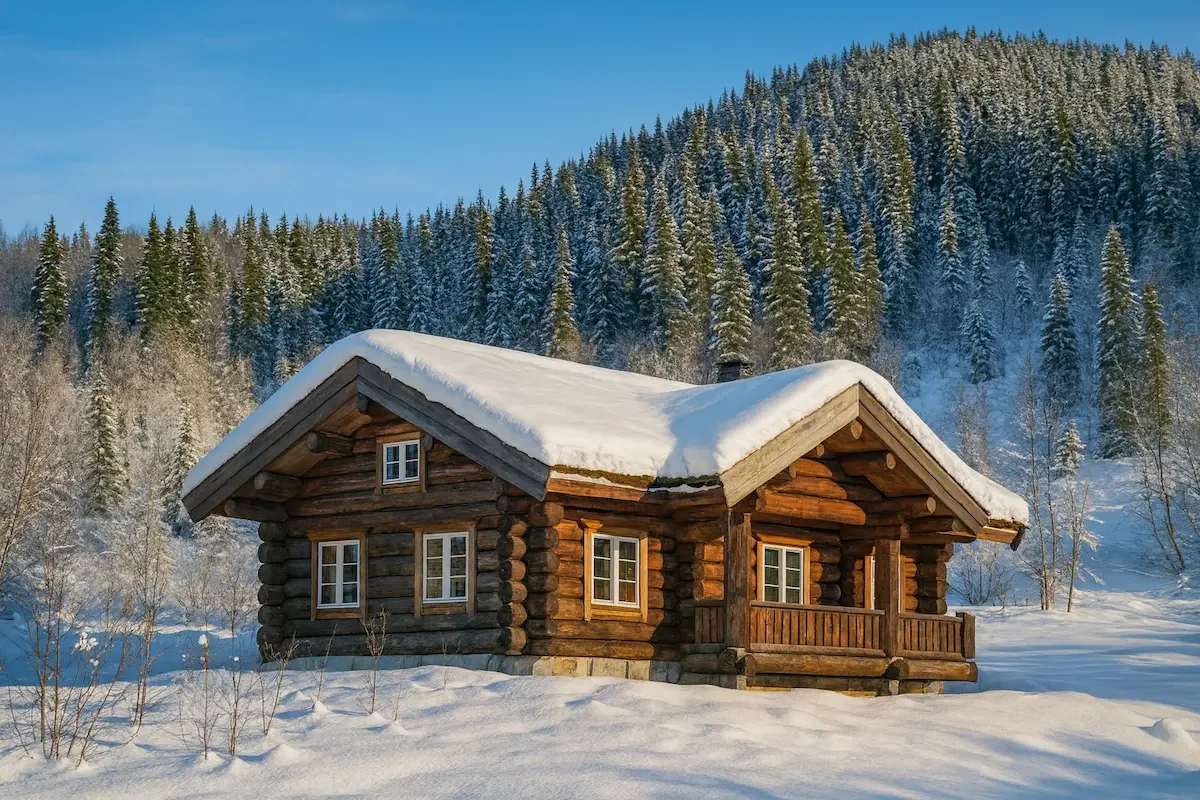
Image by AI/S&P
Wealth tax on holiday homes
Wealth tax was one of the major issues in this year’s election campaign. Now the Labour Party (Ap), in the national budget for 2026, is proposing to collect more wealth tax from holiday homes. Many already believe that the wealth tax is unfair. This may create greater dissatisfaction because many people own a holiday home without having high income or savings to pay increased tax.
There are over 450,000 holiday homes in Norway according to Statistics Norway (SSB). Many owners may therefore be affected. It can also impact individuals who have not previously paid wealth tax, as it could push them beyond the threshold for wealth tax; the budget sets a new threshold at 1.9 million.
Changing the valuation
The proposal means that the valuation basis for holiday homes will change. Today, the wealth value is often calculated using building costs or older valuations. The new system will use market value. This may lead to a significant increase in the registered value of many properties.
When the valuation increases, municipalities may also choose to adjust the property tax accordingly.
Nedbygging av natur
Norway has the highest rate of nature loss per capita in Europe according to NRK. A large part of this is linked to holiday home developments and the infrastructure around them. If higher taxation makes it less attractive to build new holiday homes, this may reduce pressure on nature. Still, it may affect local communities that depend on holiday home tourism and related services, they could find it necessary to increase the property tax.
Norwegian cultural life
Holiday homes also have a clear role in Norwegian culture. For many people, the cabin is about nature, peace, family, and tradition. It is a place to disconnect from work and everyday life. Many cabins are part of family history and shared memories. Cabin life is tied to outdoor recreation and closeness to nature, and is often seen as something more than property and financial value. This makes the tax discussion particularly sensitive.
The proposal for higher wealth tax on holiday homes affects personal finances, local communities, and nature. It raises questions about who will be able to afford owning a holiday home in the future, and what role the holiday home will have in Norwegian culture. For some, increased tax may lead to selling their holiday home, even when it has been in the family for generations. Still, there is reason to question the aggressive pace of nature development in Norway.
SOURCES
Statistics Norway (SSB)
Data on the number of holiday homes in NorwayGudbrandsdølen Dagningen (GD)
New evaluation rules for holiday homes trigger more wealth taxNRK Documentary
Norway has the highest rate of nature loss per capita in EuropeNorwegian Government
National Budget 2026 Wealth Tax
Content on Society and Politics is based on reliable sources and actual events, providing a news-oriented perspective intented for further debate. To access the article’s author and the related debate, membership on Hudd is required.
