

Children suffer when inequality increases
New figures show that more households in Norway are struggling to cover unexpected expenses, and more are experiencing a steadily worsening situation. Both the Solberg and Store governments have failed to reduce family poverty. Will the parties prioritize the children in the upcoming election?
March 18, 2025
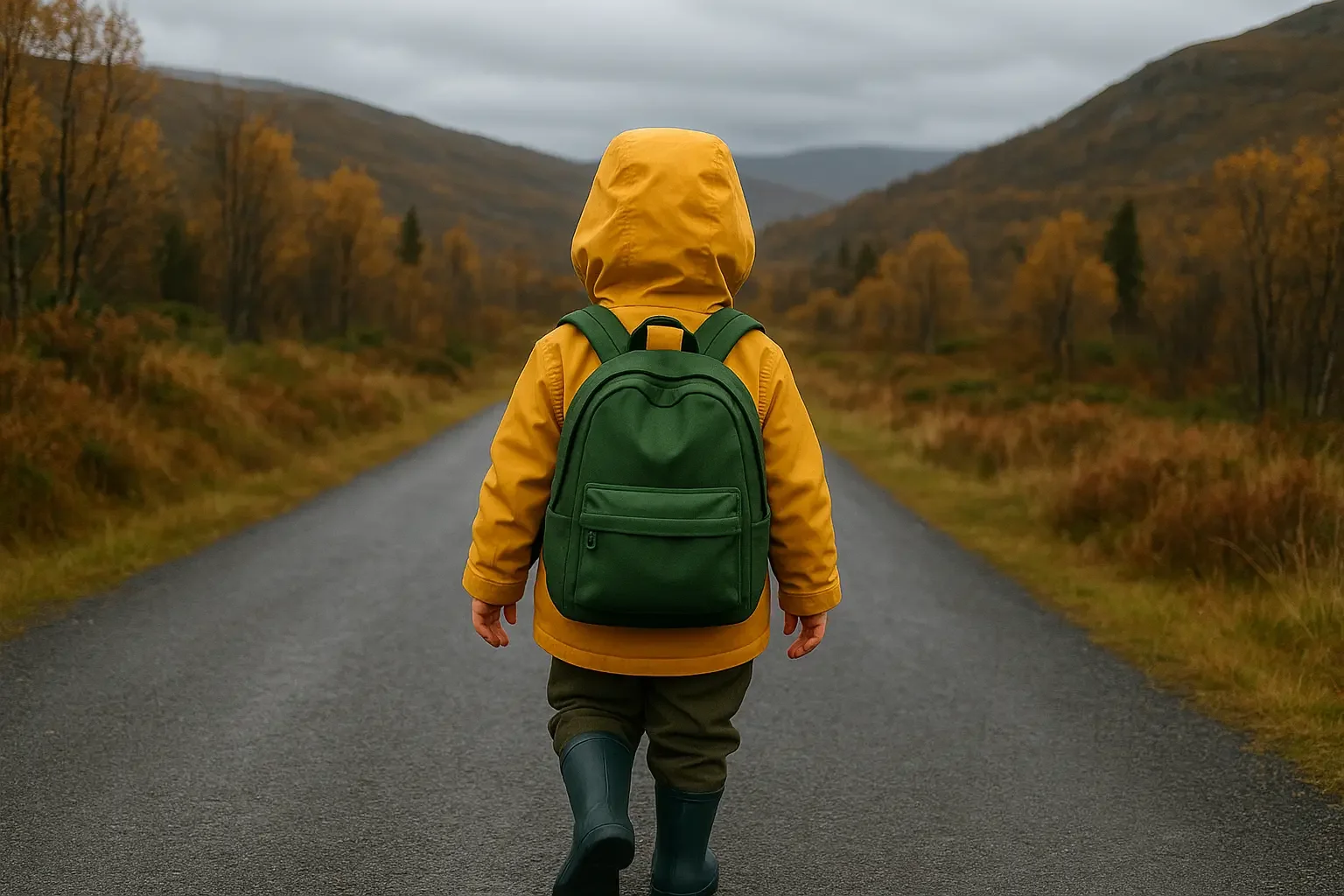
Image by AI/S&P
More families than before are struggling
Combating poverty matters for society because it affects social belonging, education, physical and mental health, and crime.
The most recently published figures from Statistics Norway come from the Survey of Living Conditions 2023, published in April last year. It shows that 21.7% of households are unable to cover an unexpected expense. While we wait for the 2024 figures later this spring, we can get an indication of the situation from the Salvation Army's Poverty Barometer, published this March. We cannot compare the figures directly because they are based on different data, but it is worth noting that 35% report that their financial situation has worsened over the past six months.
A brief look back is in order. UNICEF published a report in 2023 showing that in the period from 2012 to 2021, Norway was one of the countries in Europe that did the least to reduce family poverty. It rose by 10.1% in that period. The Solberg government was in office from 2013 to 2021.
Since the Store government took office in 2021, the increase has been even greater, showing that the government has failed to hold back high price growth and high interest rates.
The situation is well known, but the measures fail to materialize
Just over a year ago, Statistics Norway published a report entitled "Measuring child poverty", commissioned by the Norwegian Directorate for Children, Youth and Family Affairs. The foreword states: The supplementary poverty measures are intended to give a more comprehensive and complete picture of the situation of children in poor families, and they are to be policy-relevant so that they can say something about the effect various measures have on the finances of families with children.
A year later, we are still waiting for effective measures. This spring brings the white paper on social equalisation and mobility, which is meant to "strengthen the work of reducing economic and social differences". This means we will probably have to wait until the 2026 budget before we finally find out whether and how this government, or a new government, intends to step up efforts against poverty. Or perhaps promises will come during the election campaign?
SOURCES
Statistics Norway
Living conditions 2023, published April 2024The Salvation Army
Poverty BarometerStatistics Norway
Share with various poverty problems 2012–2023UNICEF
Child povertyStatistics Norway
Measuring child povertyThe Norwegian Government
Efforts against povertyThe Norwegian Government
Work on the white paper on social equalization and mobility
Content on Society and Politics is based on reliable sources and actual events, providing a news-oriented perspective intented for further debate. To access the article’s author and the related debate, membership on Hudd is required.