
The Rise of a New Fifth Estate
Independent media have grown to an extent that they are now described as a new fifth estate, challenging the traditional press. While editorial media deals with ownership interests, subsidies, and populist currents, independent media are gaining trust by presenting alternative perspectives and breaking major stories ahead.
August 23, 2025 | SOCIETY
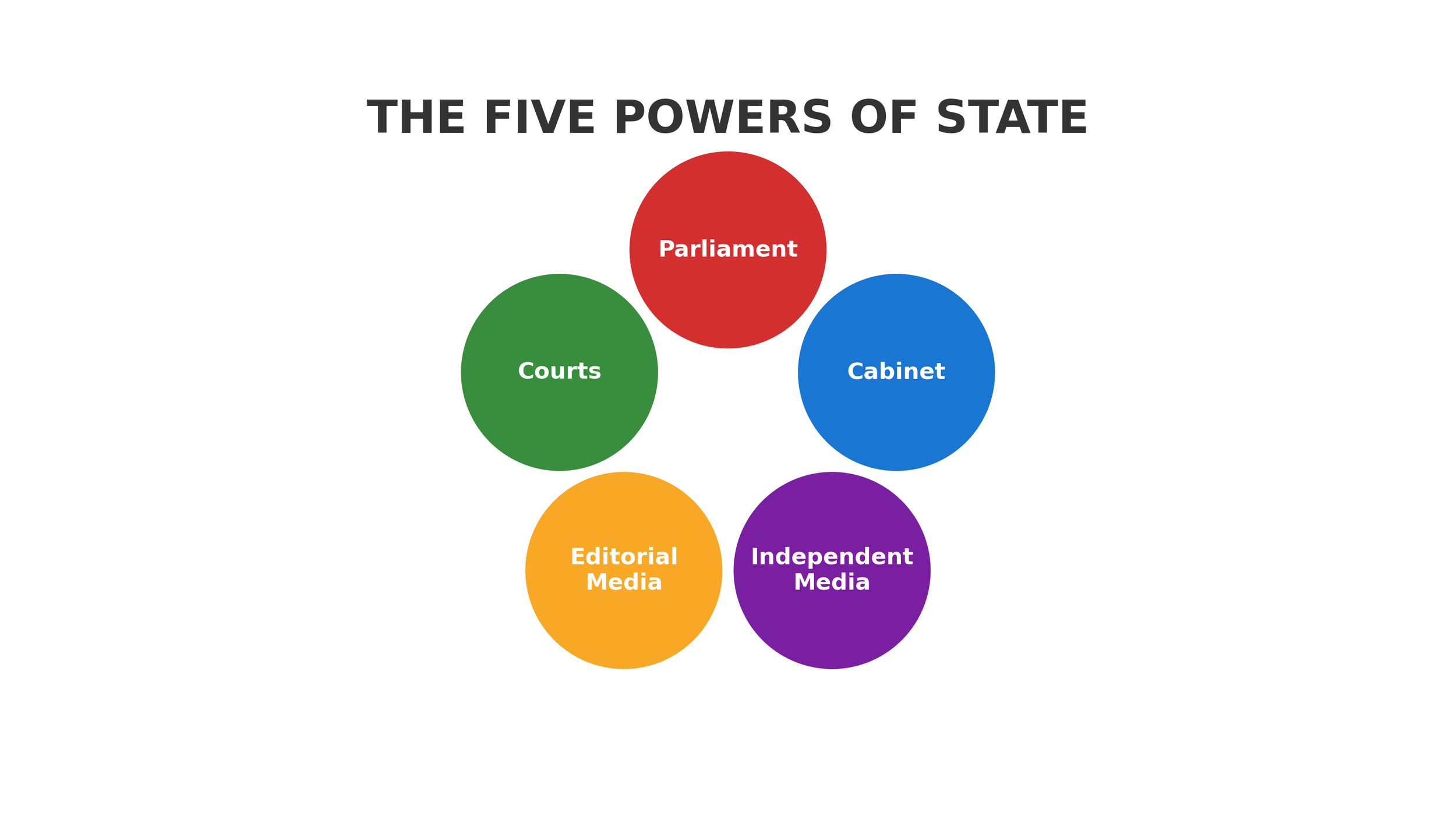
Image by AI/S&P
The press is often referred to as the fourth estate after the government, parliament, and courts. After social media gained a foothold, the press has been challenged by an increasing number of independent media outlets. This development has led to the traditional press now often being referred to as editorial media, and the new entrants as independent media. Do not confuse independent media with social media, even though they often publish there. Other channels include streaming services such as YouTube, podcast platforms, and websites. These are channels that editorial media also use in today’s media landscape. Independent media now have so many readers that they are described as the fifth estate. The topic was highlighted during a debate at Arendalsuka.
For many years, politicians and editorial media dismissed the new independent media as fake news. In the current election campaign, however, both politicians and the press appear to take independent media more seriously – precisely because they have become the fifth estate.
Reliability is a central issue for both editorial and independent media. Editorial media are generally trusted, but these outlets must still operate within the constraints of owners, subscription figures, and press subsidies.
Ownership influences political alignment. Competition from independent media means that editorial media are increasingly governed by subscription numbers. Subscriptions are cancelled when readers disagree with reporting, which leads to responsiveness to populist opinion trends. This dynamic fosters populist journalism, where questionable matters are often downplayed or ignored. Even when editorial media use reliable sources, they frequently omit perspectives that would place a case in full context. Such omissions weaken credibility.
The shortcomings of editorial media in fulfilling their societal role may help explain why independent media have gained a foothold.
NRK (the national public broadcaster), TV 2 (a commercial broadcaster), smaller and local outlets receive press subsidies. This raises additional concerns about reliability, since parliament provides the subsidies and confronting the source of funding may be problematic. In 2023, 149 outlets received a total of 413 million kroner in subsidies, with Klassekampen alone receiving 45 million. The full list is available via the link below. In addition, NRK received 7.49 billion kroner in subsidies and TV 2 150 million.
Another challenge for editorial media is the role of communications agencies and think tanks that operate between politicians and the press, and between business and the press. These are financed by political parties, organizations, and private companies, with the purpose of influencing public opinion through media.
Independent media show greater variation. Some are purely opinion-driven and do not relate to facts or reliable sources. Others use unreliable sources, i.e. fake news. This represents a serious concern and highlights the importance of source verification.
At the same time, many independent media rely on credible sources. Common to these is the expression of opinions based on factual conditions, resembling editorials or opinion pieces in the established press. Considering that editorial media do not disclose underlying political positions connected to ownership, populist trends, and subsidies, independent media can in some cases be regarded as more transparent and sincere.
Society and Politics is to be regarded as an independent medium, with no underlying actors controlling what is published. The articles are based on factual circumstances and reliable sources but do not claim to be politically neutral, and are therefore politically transparent.
Independent outlets have reported on several major stories well before the established press, including the Oil Fund scandal and the recent NAV scandal. Unless editorial media change course, this pattern is likely to continue in the future.
SOURCES
Society and Politics
PDF Press subsidies – Norwegian mediaMedietilsynet
Press subsidies – TV 2Medietilsynet
Press subsidies – NRKArendalsuka
Arendalsuka debate
Content on Society and Politics is based on reliable sources and actual events, providing a news-oriented perspective intented for further debate. To access the article’s author and the related debate, membership on Hudd is required.
