

Labour government has failed the poor
Following meeting of the Contact Committee on Friday, Prime Minister Store issued promises to support those in need, while also warning of continued price increases. The Labour Party has failed to deliver on earlier pledges to improve conditions for the poor, the situation is unchanged from last year.
April 13, 2026 | SOURCES | NORWEGIAN POLITICS
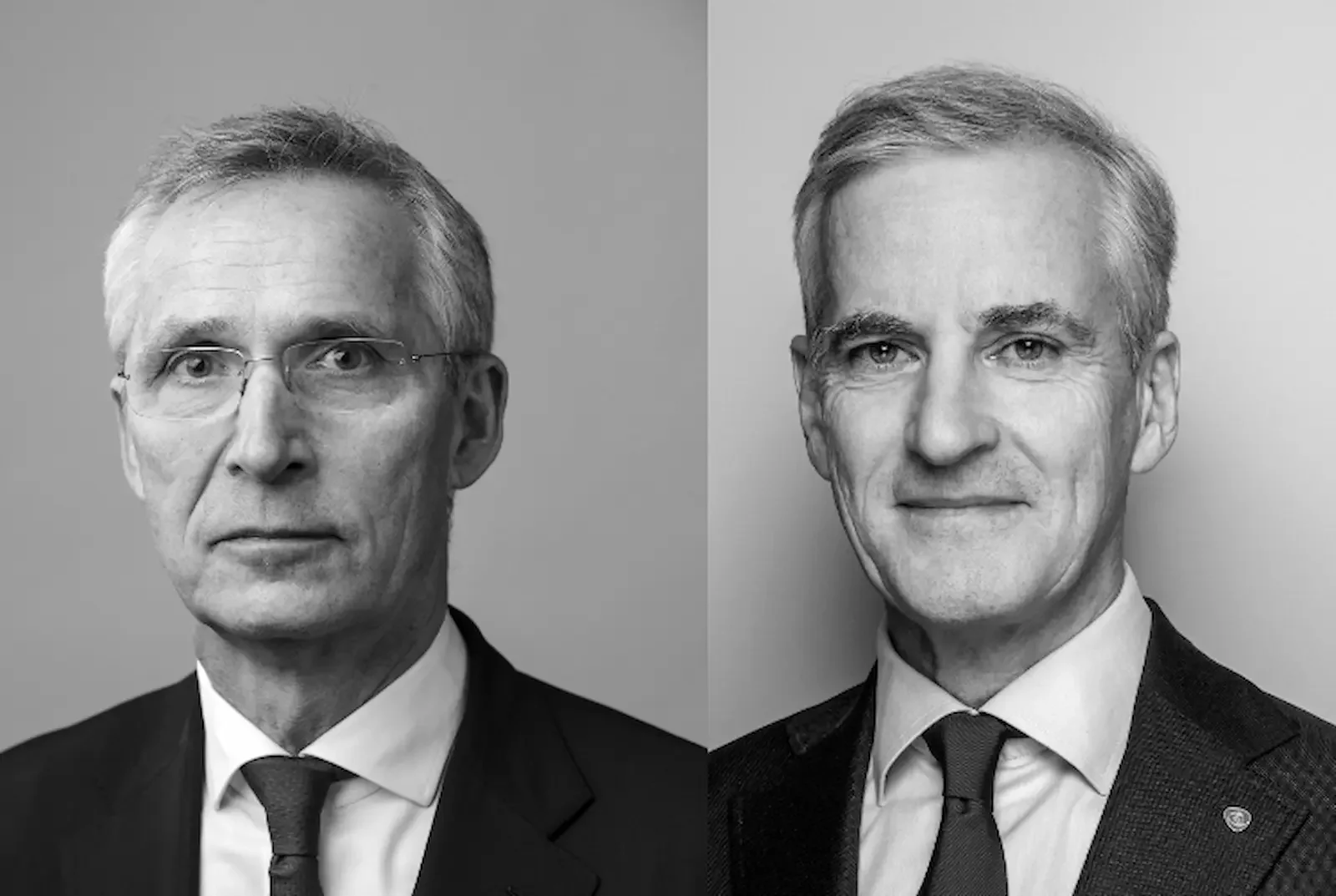
Pictures by NTB/Regjeringen.no
Poverty at the same level as last year
The Labour Party has governed alone since the Centre Party left the government in February last year. During this period, the Labour Party has not improved conditions for the poor. The Salvation Army reports through its Poverty Barometer that the situation has remained unchanged since the first quarter of last year. One in six Norwegians is unable to pay their bills on time, affecting 200,000 households. This must also be seen in connection with the growing number of food distributions from voluntary organisations helping to address the problem of poverty. The Salvation Army fears for the future and is calling for political measures.
Rising prices and interest rates
In March, inflation stood at 3.6% compared with the previous year. Although Norges Bank (the central bank of Norway) kept the key policy rate unchanged at 4%, it has signalled that one or two rate hikes are likely this year. At Friday’s press conference, following a meeting of the Contact Committee, Jonas Gahr Store said further price increases are expected as a result of the war in Iran. The reason for rising prices is that industrial raw materials are not passing through the Strait of Hormuz, affecting both energy and food prices. Store said the situation is complex, unresolved and serious, and warned of a risk of hunger in some countries.
The government has argued that it was not necessary to introduce measures to reduce fuel taxes, but in March Parliament overruled the government and decided on tax cuts on fuel.
Jonas Gahr Store on the situation
The prime minister said at the press conference that Norway will be affected because it is one of the most open economies in the world. He nevertheless stressed that Norway is in a better position than most countries, as it has an economy with low unemployment, high activity and increased purchasing power. He said this is a position that must be safeguarded and pointed out that the parties in the wage settlement must take responsibility. He said that “we” are prepared to face the challenges and made the following promise:
“The government and Parliament will take responsibility for being there for those who are now experiencing vulnerabilities and need help. We have the resources to help and we will help, but we must do so in a responsible manner.”
“Responsible” does not include everyone
It is not the case that helping poor families with basic living expenses will contribute to higher inflation. When the Labour Party uses the word “responsible” in this context, it concerns the use of public funds.
Ultimately, this is rooted in the Labour Party’s vision of “saving money for future generations in the sovereign wealth fund”. The oil fund was initiated by the Gerhardsen government in the 1970s. Current Finance Minister Jens Stoltenberg was finance minister in 1996 when the fund was expanded to invest abroad, laying the foundation for new growth.
Today’s Labour Party differs significantly from Gerhardsen’s Labour Party, which held that welfare was for everyone. Now the Labour Party works for “ordinary people”, which implies that the party does not include everyone and accepts poverty as part of the welfare state. It appears that the Labour government considers the extent of poverty to have been at an acceptable level over the past year, since it has not improved the situation. This may mean that new promises of assistance will not improve the overall situation.
The losers are the children growing up in poor families, which may lead to long-term consequences such as exclusion, unemployment and new social challenges for society in the future.
RELATED ARTICLES
SOURCES
Frelsesarmeen (The Salvation Army)
Poverty BarometerFAFO (Fafo Institute for Labour and Social Research)
Food distribution reportSSB (Statistics Norway)
Consumer Price IndexNorges Bank (Norges Bank)
Interest rate decision March 2026Regjeringen (Norwegian Government)
Meeting in the government’s contact committee on the situation in the Middle EastStore Norske Leksikon (Great Norwegian Encyclopedia)
The Contact Committee
Content on Society and Politics is based on reliable sources and actual events, providing a news-oriented perspective intented for further debate. To access the article’s author and the related debate, membership on Hudd is required.