Transparency is the New Objectivity
The debate on objectivity in the media has intensified after the revelation of edited coverage of a Trump speech by the BBC. The case shows how editorial decisions can shape public understanding and highlights the need for greater transparency in journalism.
November 11, 2025 | SOCIETY
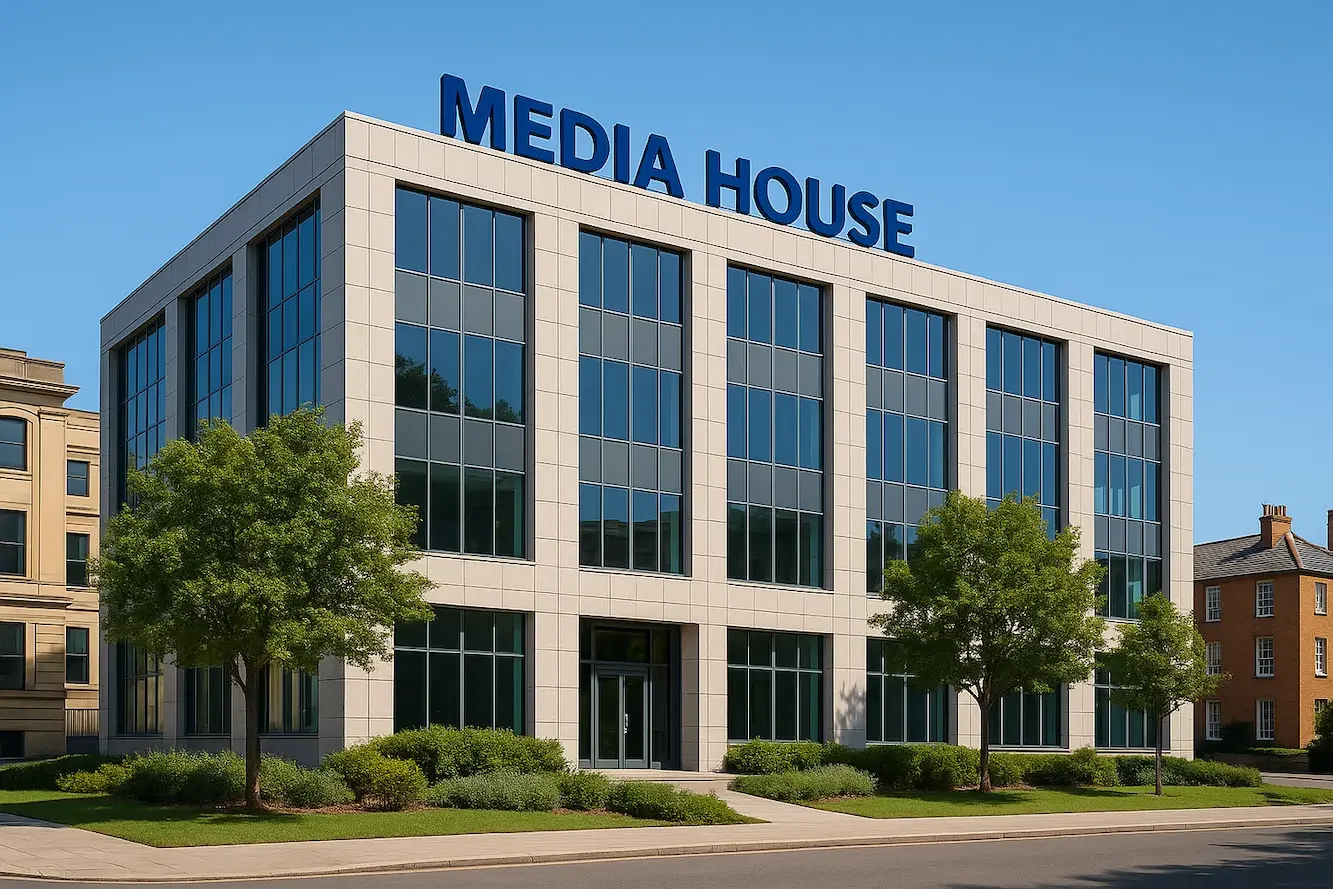
Image by AI/S&P
BBC Director General Tim Davie and Head of News Deborah Turness have stepped down from their positions after the BBC, in the programme Panorama, edited a speech from Trump. The speech was held ahead of the Capitol Hill riotin January 2021 and was edited in such a way that it appeared as though Trump encouraged people to go to Congress and “fight like hell.” The BBC cut out the part where he said, “we shall cheer on our brave senators and congress men and women.”
Editor-controlled media, such as the BBC, claim to be both objective and neutral in their presentation. The BBC now appears as biased after being exposed by its competitor, The Telegraph.
Throughout the history of journalism, theoretical circles have discussed whether true objectivity is even possible. In other words, there exists a press-ethical theory that is difficult to practice. After the advent of the internet, it became easier to review the press. This led to the introduction of a new concept in journalism: transparency is the new objectivity.
The public cannot assess a media outlet’s objectivity without having background information about the owner, editor, journalist and the case being covered. Even though most Norwegian media claim to be politically independent, their alleged objectivity can be examined by reviewing articles, commentary pieces and editorial leader columns. Bias is frequently present. Trust in editor-controlled media is important because most people do not evaluate bias every time a new story is presented, and thus bias can exist even when trust is high – something we now see illustrated by the BBC case.
Around the world, editor-controlled media vs. independent media is being debated. Much criticism is directed at social media and what is called fake news, but fake news is not synonymous with independent media. Many forget that social media is a publishing platform where there are also serious influencers, organisations and media outlets presenting content. Editor-controlled media also use social media as a publishing platform, which is a sign of technological development. Social media has made it possible for grassroots voices to push forward issues that the press, for various reasons, chooses to omit. This strengthens democracy and freedom of expression.
Independent media are generally transparent; they do not hide the biases of those who publish. In the last century, Norway had the Labour press with local newspapers on one side, and the conservative regional newspapers in the Schibsted group on the other. The public understood that political bias influenced what was presented; therefore, the press was more transparent then than the Norwegian press is today. It is a societal problem that Norwegian editor-controlled media lack transparency.
Editor-controlled media have traditionally been called the fourth estate. Independent media have grown large enough that they are now referred to as the fifth estate, read more here.
Competition from independent media is so strong that the Norwegian Press Association has launched an advertising campaign attacking credibility on social media. They have misunderstood the situation. Firstly, there is reliability on social media. Secondly, the threat to editor-controlled media is not social media, but the lack of transparency in their own media outlets.
Independent media must adhere to the same laws as editor-controlled media. In practice, the Editor’s Code and the Code of Ethics have little value. The challenge with independent media is that they are currently not held accountable when laws are broken, but this is likely to change significantly in the future.
On Thursday, the Minister of Culture and Equality will present a statement on media policy and freedom of expression in the Norwegian Parliament. The government plans to adopt the EU Digital Services Act (DSA).
SOURCES
The Telegraph
Trump speech, the edited and the realPressens faglige utvalg (Norwegian Press Complaints Commission)
Redaktørplakaten (The Editors’ Code)Pressens faglige utvalg (Norwegian Press Complaints Commission)
Vær varsom-plakaten (Code of Ethics in Norwegian Journalism / “Be Careful” Code)Nexa Center for Internet & Society
Transparency is the New ObjectivityColumbia University
Is objectivity in journalism even possible?Columbia Journalism Review
Is objectivity still worth pursuing?The Telegraph
BBC doctored Trump speechNorsk Presseforbund (The Norwegian Press Association)
Campaign for editor-controlled mediaRegjeringen (The Norwegian Government)
Statement on media policy and freedom of expressionRegjeringen (The Norwegian Government)
EU Digital Services Act (DSA)
Content on Society and Politics is based on reliable sources and actual events, providing a news-oriented perspective intented for further debate. To access the article’s author and the related debate, membership on Hudd is required.
