
Norwegian business is not affected by tariffs or war
Prime Minister Jonas Gahr Store and Finance Minister Jens Stoltenberg have warned throughout this year that the Norwegian economy could be hit hard by tariffs and geopolitical unrest; today their predictions were shattered by central bank governor Ida Wolden Bache.
June 24, 2025
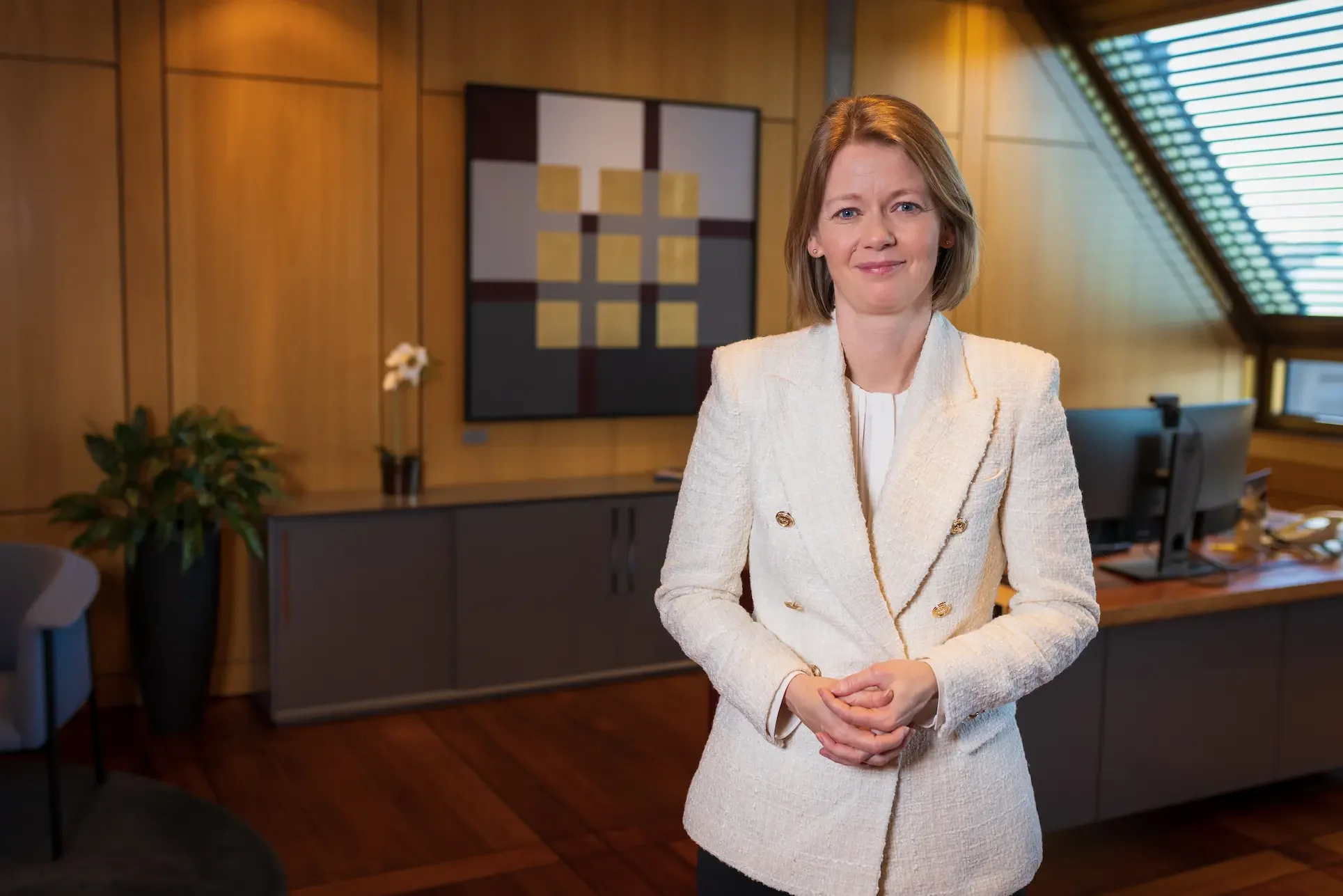
Ida Wolden Bache, Foto: Nils S. Aasheim/Norges Bank
The Labour Party's worst-case scenario shattered by the central bank governor
Since January we have heard a great deal from politicians and the media about Norway being hit hard by both tariff walls and war. Many were therefore surprised when central bank governor Ida Wolden Bache announced last Thursday that the policy rate was being cut by 0.25% — Norwegian business is doing well, and the Labour Party's worst-case scenarios about the American tariffs fell apart. It is worth listening to the entire press conference from Norges Bank (Norwegian Bank) to get an overview of the actual situation for Norwegian business; you will find it linked at the bottom.
Unfortunately, Norwegian media largely allow politicians to set the agenda. Their claims are scrutinized to only a limited extent and thus become established as truths that the public finds difficult to navigate.
War provides a basis for economic growth
In reality, although certain sectors are affected by tariff walls, this has little effect on the business sector as a whole. War in the world is bad for much, but not for the Norwegian economy — rather the opposite. War raises the oil price and leads to growth in both the Norwegian defence industry and the tourism industry, which in turn strengthens the Norwegian krone. And in fact, even if Norway were to be directly affected by war, there is little reason to worry significantly about Norwegian business, even though there are many other reasons to worry about war. Norwegian business came through the Second World War well, and the post-war reconstruction led to increased prosperity and welfare.
A tense world situation unites the Parliament
Historically, the Storting (Norwegian Parliament) has united around a common policy in difficult times. We have also seen this in recent times through the political handling of the pandemic, as well as the situation earlier this winter when the Storting united around a substantial build-up of Norwegian defense and support for Ukraine. Unrest in the world will first and foremost give the governing side an advantage, something we have seen this year as the Labour Party has consolidated its position.
The Labour Party creates fear that could influence the election
In addition to the Labour Party's natural growth as a result of the world situation, it has also exploited that situation to create unnecessary fear in order to further entrench its own policies and position. The problem is that we as voters may lose track of what are real future scenarios and what is strategic political maneuvering. This will probably play a major role in this year's parliamentary election unless the press steps up and scrutinizes the Labour Party's political claims.
SOURCES
Norges Bank
Press conference Norges Bank 19 JuneNorwegian History
How the Second World War affected the Norwegian economy
Content on Society and Politics is based on reliable sources and actual events, providing a news-oriented perspective intented for further debate. To access the article’s author and the related debate, membership on Hudd is required.