

Tariffs are more than a trade war
The US is imposing tariffs to increase its geopolitical power. The EU is pressuring Norway, while Stoltenberg and Store do not appear to recognize that the US matters more to Norway's geopolitical position and security than the EU does.
April 3, 2025
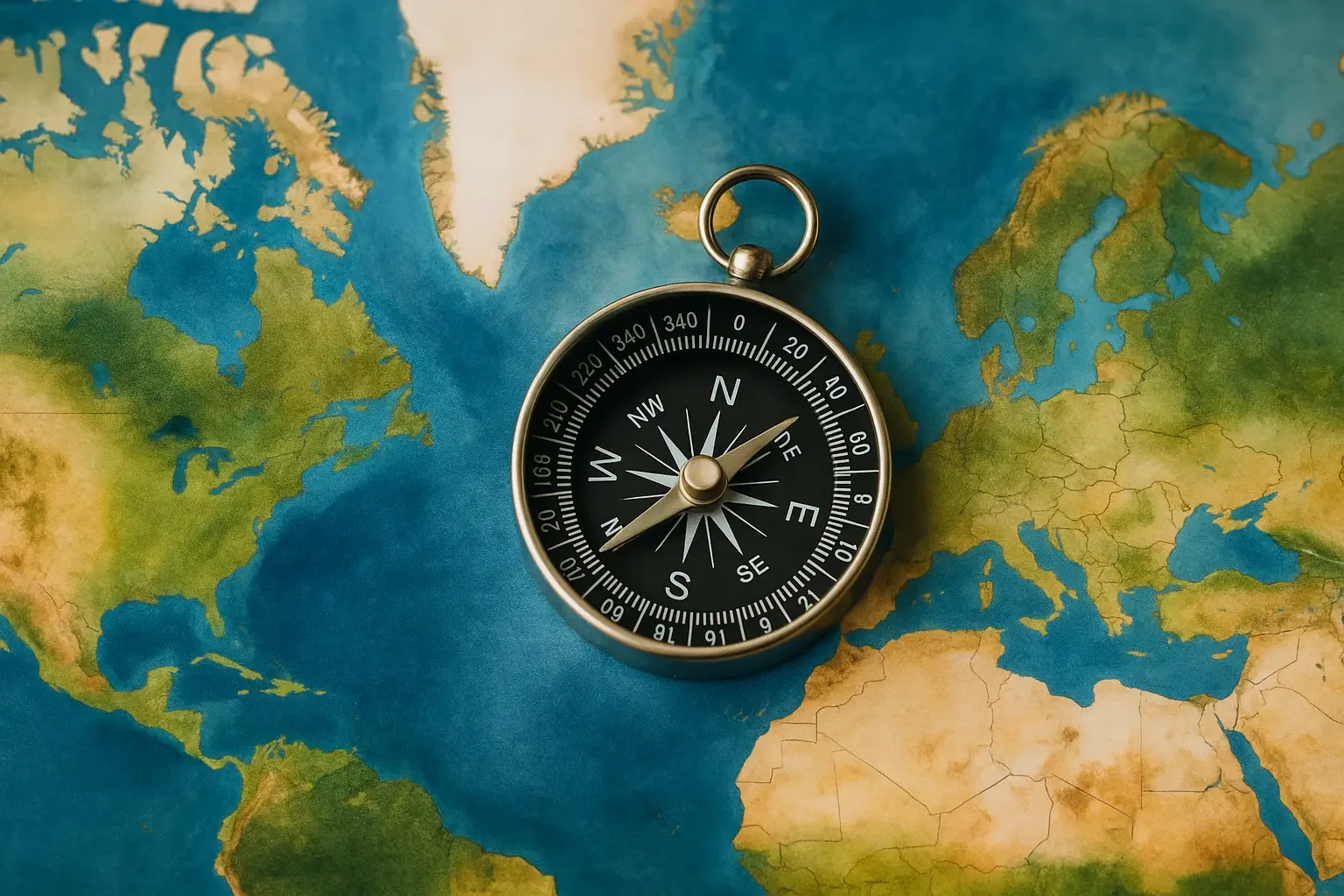
Image by AI/S&P
Liberation Day
Yesterday, on what was billed as "Liberation Day", Trump announced the tariffs he had signaled. Norway got 15% and the EU got 20%. For several days the American president has said that the tariff rates may be adjusted down or up depending on negotiations, so it is uncertain whether the rates will stand. The US wants to negotiate advantages for itself; it needs raw materials and critical minerals in particular, in order to take trade power back from China.
The government's EU strategy
Prime Minister Store said on Dagsnytt 18 on Wednesday that it is not certain whether and how Norway will respond to the tariffs. He also says the government has been planning for various scenarios for a long time and has worked closely with the EU. The foreign press has taken note of this; as early as 14 March, the Financial Post wrote: "The Nordic country is speeding up approval of EU laws to improve its negotiating position."
Last year Norway decided 200 of the 800 EU laws under consideration; this year 35 of 200 have been adopted, perhaps more if the public list is not up to date.
The government's secrecy
On Saturday the government issued a press release stating that it is working to incorporate the EU's minerals legislation into Norwegian law. The timing is striking, because the democratic process concerning Norwegian mineral management is at a very early stage. More striking still is that the announcement comes at the same time as Donald Trump is seeking to press Ukraine into a minerals agreement.
Today the Labour Party's national congress begins, where a discussion of EU membership may arise, against the government's own wishes. Store and Stoltenberg appear to have a plan they do not intend to share voluntarily with either the voters or the Labour Party congress.
Where did the democratic debate go? And where is the press?
Norway already has enormous resources, minerals among them, to offer the EU in negotiations. Now we also have a 5% tariff advantage over the EU. Are our national leaders going to squander this on Norway's behalf? Is it true, as both the no-party the Centre Party and the yes-party the Liberals say, that the government wants to sneak us into the EU? Are the Norwegian government's members too deep inside the EU old-boys' network to make good choices on Norway's behalf? The Centre Party is right about one thing: Store and Stoltenberg have spread fear rhetoric about the tariffs, read more.
Trump's intentions
Switzerland and the United Kingdom have bilateral agreements with the EU. Iceland is in the EEA like Norway and Liechtenstein, but is negotiating EU membership. Iceland has no army of its own; it is in NATO and also has a bilateral defence agreement with the US. Iceland lies close to Greenland; we ourselves border Russia. The American president is not very enthusiastic about the EU, has a good relationship with the United Kingdom and a relatively good relationship with Russia. Donald Trump talks about the North Atlantic constantly — why has he not mentioned Norway yet?
This is more than a trade war. Could NATO break down if Norway is too close to the EU? Is the government making Norway easy prey for Russia because EU alignment stands in the way of military support from the US?
SOURCES
Financial Post
Norway to pass EU laws to avoid tariffs from the EUIsland Government
Defense in IcelandThe Norwegian Government
The government will incorporate the EU's critical raw materials regulation into the EEA Agreement
Content on Society and Politics is based on reliable sources and actual events, providing a news-oriented perspective intented for further debate. To access the article’s author and the related debate, membership on Hudd is required.