

Tore Tonne Syndrome or Press Ethics?
The media’s handling of Thorbjorn Jagland’s health condition has garnered significant attention after iNyheter reported yesterday that Jagland was hospitalized under dramatic circumstances. What is the truth, and are we being subjected to press censorship?
February 25, 2026 | SOCIETY
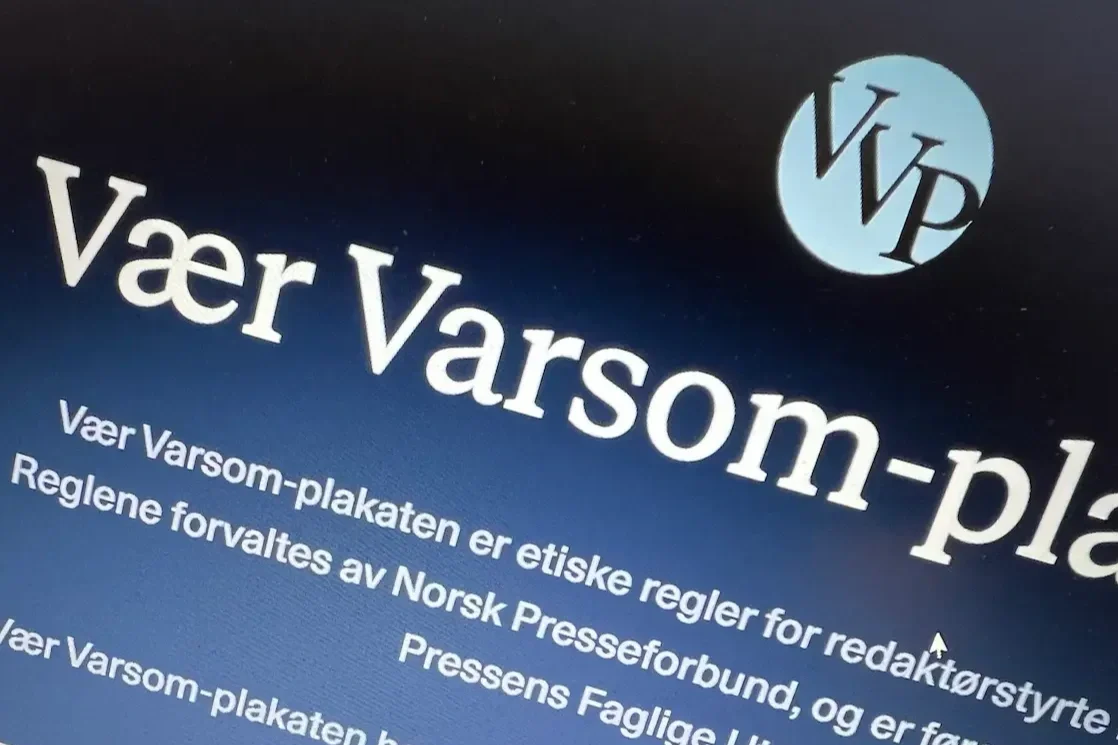
Image by S&P
Press Coverage of Thorbjorn Jagland’s Health
Yesterday, news broke that Thorbjorn Jagland has been admitted to the hospital; confusion arose regarding Jagland’s health status because iNyheter initially reported that the cause was a suicide attempt. This allegedly occurred a week earlier without an exact date being disclosed, but presumably before February 17, as iNyheter writes that on this day, an agreement was supposedly reached between the Norwegian Editors’ Association, selected editors, and Jagland’s lawyer Anders Brosveet that this dramatic incident should not be mentioned in the press. The Norwegian Editors’ Association denies that such an agreement was entered into.
iNyheter writes that they chose to publish the case because they perceive it to be in the public interest and refer to the Code of Ethics of the Norwegian Press (Vær Varsom-plakaten). It is worth mentioning that iNyheter receives public press subsidies, but that editor Helge Luras is not a member of the Norwegian Editors’ Association. The news spread quickly on social media; many shared uncritically that Jagland had committed suicide, and English-language media picked up the story.
Many discussed, and are still discussing, why the Norwegian press did not provide information about the case earlier and believe editor-controlled media have exercised press censorship.
A few hours after iNyheter's article, VG published the case on its front page with the title "Latest: Thorbjorn Jagland admitted to hospital." In the article, VG writes that Jagland’s lawyer has denied that the hospitalization was due to a suicide attempt. Around the same time, Dagbladet published an article stating that the hospitalization was due to "strain related to the Epstein case."
Finansavisen, which had initially repeated the report from iNyheter, later updated its article with a statement from Jagland’s lawyer Anders Brosveet:
"This is a demanding case for both Jagland and the press. We therefore found it natural to consult with the Editors’ Association, and subsequently provide a selection of editors with a briefing on Jagland’s health situation as background information so that it could be taken into account in further editorial assessments. No agreement was entered into with either the Editors’ Association or individual media outlets, and the information now reproduced in public regarding Jagland’s health situation is not correct.
To publish the information as it is now reproduced is one of the grossest violations of press ethics I have experienced.
We would encourage editorial offices not to contribute to the further spread of this false information. We are not aware of any suicide attempt."
Subsequently, an update came from iNyheter where, after new dialogue with lawyer Anders Brosveet, they write that the hospitalization came as a "result of suicide risk."
If we take the lawyer's statement as a basis, we can conclude that Thorbjorn Jagland is hospitalized as a result of great strain related to the Epstein case. We can keep in mind that the Council of Europe lifted Jagland’s diplomatic immunity on February 11 and that he was charged for aggravated corruption the following day.
The Norwegian Editors’ Association
In accordance with the lawyer's statement above, we can also assume that there has been contact between the lawyer and the Editors’ Association, though not to the extent iNyheter claims.
The contact is nevertheless of a nature that gives reason to discuss it in relation to a free press and freedom of expression. Media outlets that are members of the Norwegian Press Association are subject to (self-imposed) rules through the Code of Ethics, which states that the press shall weigh privacy against the public interest. At the same time, it states: It (the press) cannot yield to pressure from anyone who wishes to prevent open debate, free dissemination of information, and free access to sources.
A younger audience may perceive this case in a different light than an older audience does; the Norwegian Editors’ Association does not seem to take into account that we live in an information society where news spreads both faster and to a larger audience than those they reach themselves. At some point, rumors about Jagland’s health would have arisen and reached social media. iNyheter chose to publish the case with an alibi that the matter is in the public interest but seems to have over-dramatized the situation. This, in turn, led to several mainstream media outlets publishing that Thorbjorn Jagland is hospitalized, while simultaneously debunking that it was a suicide attempt.
The Tore Tonne Case
On December 20, 2002, an indictment for negligent fraud was issued against Tore Tonne, who had stepped down as Minister of Health the year before. Tonne was alleged to have received fees from Aker RGI while receiving severance pay from the Storting; furthermore, questions were raised regarding his impartiality. The day after the indictment, Tore Tonne took his own life.
A committee was established by the Norwegian Press Association, the Bruras Committee, to assess the role of the press. In the three weeks leading up to the indictment against Tore Tonne, the press had written a long series of articles about the case, some of which contained critical characterizations of Tore Tonne as a person. The report concluded that it was right to write about the complex of cases, but that the coverage in many instances was too aggressive and violated the Code of Ethics.
It may appear that the Norwegian Editors’ Association in the case of Jagland’s health is affected by a "Tore Tonne syndrome." It should be obvious, even to the Editors’ Association, that it is in the public interest that Jagland is indisposed from answering questions related to the charge against him—given that the charge is linked to his public office. Providing a diagnosis, on the other hand, appears to be a private matter and should not have been mentioned by iNyheter; as the case is now illuminated, it also appears that iNyheter did not have sufficient grounds to present the case as they did.
The assessments the Editors’ Association made when they chose not to mention the hospitalization have led to debate on social media about censorship and a lack of trust in editor-controlled media. This hardly constitutes a successful strategy regarding the competition editor-controlled media face from independent media, which are now so large they are referred to as the fifth estate, read more. If the report had initially been published in a responsible manner by stating that Jagland was in the hospital due to strains from the Epstein case, the truthfulness of iNyheter's article would have stood in a different light from the moment it was published.
Note
When this case became known yesterday and spread in English on social media, Society and Politics created an article in English that was continuously updated after publication from iNyheter to bring forward the correct version, read more.
SOURCES
PRIO
Three Weeks in December – report from the Brurås CommitteeTidsskriftet
A Decent Press – Henrik Syse, member of the Brurås CommitteeNorwegian Press Association
Code of Ethics of the Norwegian Press (Vær Varsom-plakaten)Please be aware that the articles below may have been updated after this article was written;
iNyheter
Changes Explanation: – Suicide risk, not suicide attempt, says Jagland lawyer nowFinansavisen
Jagland admitted to hospitalDagbladet
Jagland admitted to hospitaliNyheter
Thorbjorn Jagland attempted to take his own life – currently hospitalizedCounsil of Europe
Council of Europe’s Committee of Ministers waives immunity of former Secretary General Thorbjorn Jagland
Content on Society and Politics is based on reliable sources and actual events, providing a news-oriented perspective intented for further debate. To access the article’s author and the related debate, membership on Hudd is required.
