

Icelandic Democracy Under Pressure from the EU and the USA
Iceland is fast-tracking its referendum on EU membership, potentially triggering a dramatic geopolitical power struggle. Caught between established EU regulations and the US security strategy, Icelandic democracy must navigate a path under massive pressure from Western superpowers.
February 26, 2026 | INTERNATIONAL POLITICS
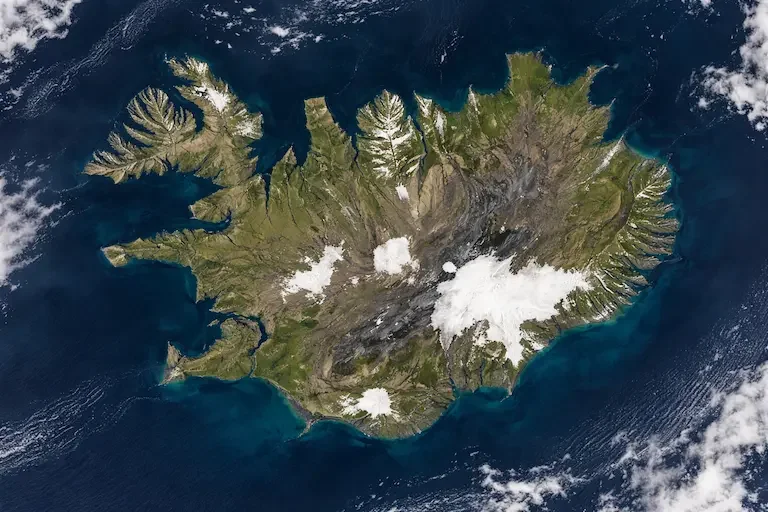
Image by AI/S&P
Icelandic democracy is facing its greatest test in modern times. What began as a planned national debate leading up to 2027 has been abruptly accelerated by geopolitical tremors. As the government in Reykjavík now chooses to fast-track the process with the goal of holding a referendum during 2026, it does so as a direct response to external pressure threatening the country's freedom of action.
Geopolitical Urgency
The background for moving the timeline forward is marked by global unrest. Washington's decision to impose tariffs on Icelandic goods, combined with American rhetoric regarding the annexation of neighboring Greenland, has changed the diplomatic rules of the game. For a nation of fewer than 400,000 inhabitants, such moves by a close ally feel like an attempt to dictate the nation's economic and political course.
Prime Minister Kristrún Frostadóttir has emphasized that resuming talks is about securing Iceland's integration into Europe. The reality, however, is that the country now feels an acute need to clarify its position before the superpowers' own strategies further narrow its room for maneuver.
Opinion Polls: A People in Doubt
Amidst this pressure, the Icelandic people must find their own voice. The latest figures from February 2026 show a nation in deep doubt. After a period of clear "yes" dominance, Gallup polls now show a dead heat: 42% in favor and 42% against membership. Despite the split on the issue itself, there is a clear democratic demand to be heard; over 58% of the population supports the decision to hold a referendum during the year. Icelanders are demanding the right to determine their own destiny before external pressure makes the choice for them.
Between the Familiar EU and the Unpredictable USA
Today, Iceland is caught in a squeeze between two vastly different forms of influence. Through the EEA Agreement, the country is already deeply integrated into European cooperation. Here, the influence is predictable and regulated through agreements; the rules of the game are known, the laws to be transferred are clear, and the decision-making processes in Brussels are established. This is a form of institutionalized influence familiar to both politicians and voters.
What creates the greatest uncertainty is the new and more unpredictable nature of the pressure from the United States. Little is currently known about how American influence will manifest in practice under the new security strategy. Washington has explicitly stated an ambition to "reward and encourage" political movements and parties aligned with their strategic goals.
What this means for Icelandic everyday politics and democratic processes remains unknown. When the US demands a reduction in what they define as "hostile foreign influence" as a condition for trade and security guarantees, they move into a democratic gray zone. It is unclear where the line is drawn between necessary security cooperation and direct interference in another country's internal affairs.
The Arctic as a Strategic Arena
This uncertainty is amplified by Iceland's critical location. As a country without its own military defense, Iceland has always relied on NATO and the bilateral agreement with the US from 1951. But as the Arctic warms and new shipping lanes open, the island has become "strategic property" in a global power struggle.
Melting ice provides access to vast energy and mineral resources, and both Russia and China have intensified their activity in the North. The US is responding with a strategy that demands increased control over ports and critical infrastructure. For Iceland, this means their national installations now serve as pawns in a game for control over the North Atlantic.
Might Makes Right?
When Icelanders go to the polls during 2026, it will be about more than just fishing quotas or currency cooperation. It is about choosing between the familiar, treaty-regulated influence from Europe and a new, more aggressive influence from the West.
Icelandic democracy faces a fundamental test of whether self-determination can survive when superpowers increasingly exercise the right of the strongest. The consequence of the United States' massive military strength and its willingness to link security directly to political obedience places enormous pressure on a small nation without its own weapons. The question for 2026 is whether Iceland can chart an independent course, or if the country's future will be dictated by whoever possesses the greatest military and economic clout in the North Atlantic.
RELATED ARTICLES
SOURCES
Gallup Iceland
EU opinion pollPrósent
EU opinion pollMaskína
EU opinion pollRÚV (Icelandic National Broadcasting Service)
EU opinion pollAtlantic Council
Why the Arctic matters to the United StatesVG
Iceland’s prime minister announces an EU referendum within a few monthsReuters
Iceland to hold EU referendum “in the coming months,” PM saysGovernment of Iceland
National security
Content on Society and Politics is based on reliable sources and actual events, providing a news-oriented perspective intented for further debate. To access the article’s author and the related debate, membership on Hudd is required.
