
Kudos to NATO Secretary General Mark Rutte for transparency
NATO Secretary General Mark Rutte’s warnings about Europe’s security are facing criticism, but the need for openness is greater than the fear of unrest. A lack of transparency about Europe’s defence capability weakens democratic insight and genuine debate.
December 18, 2025 | INTERNATIONAL POLITICS
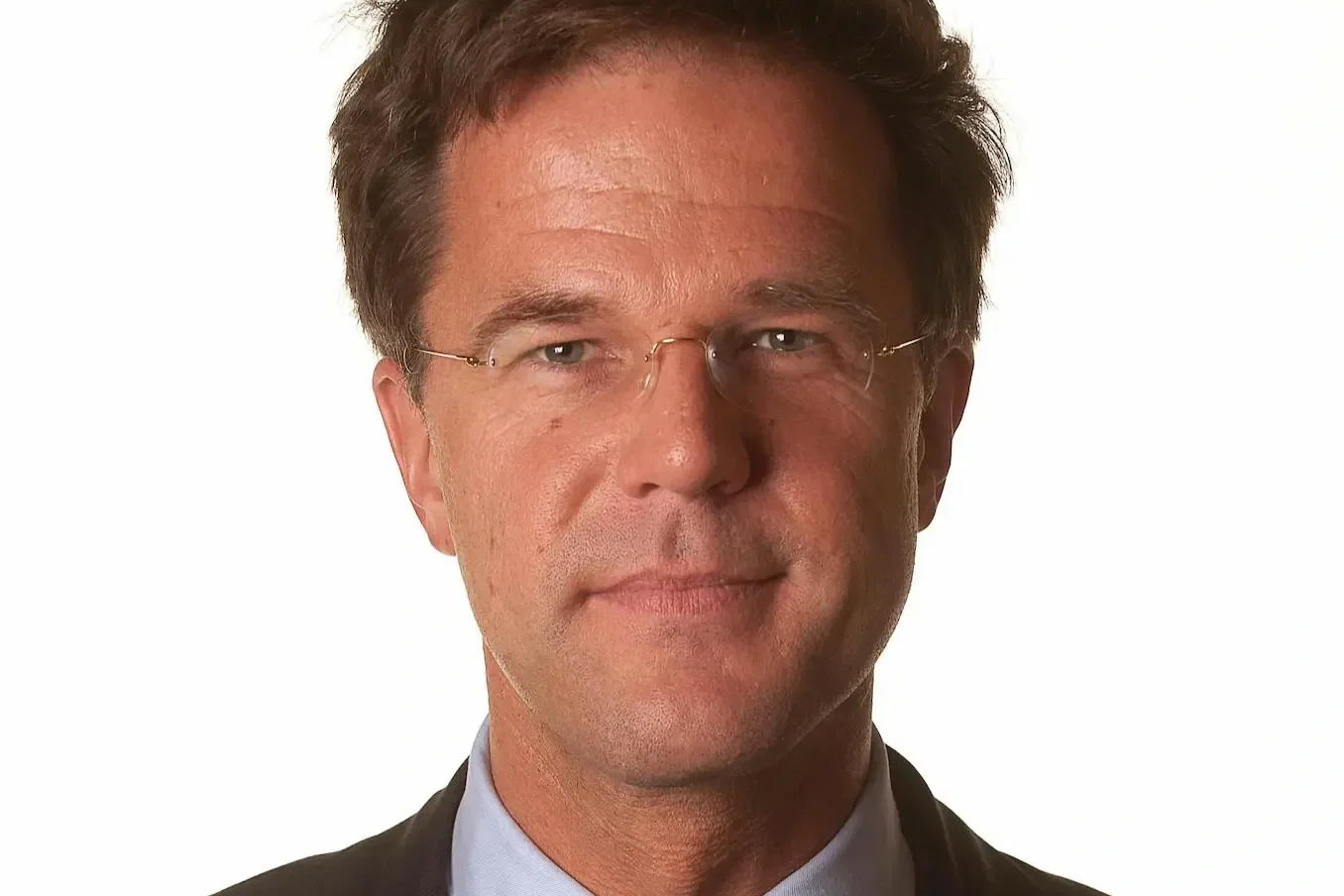
The retired Norwegian diplomat and former NATO ambassador Kai Eide has issued strong criticism of NATO Secretary General Mark Rutte for stating that Europe must be prepared for war with Russia within five years. Kai Eide published the criticism on his Facebook profile. He writes that Mark Rutte makes him deeply concerned and that Rutte lacks the wisdom and depth the position requires.
On this basis, NRK gives Kai Eide airtime on Dagsnytt 18, something it does at regular intervals; Eide is one of the “experts” NRK makes use of. Kai Eide elaborates on his criticism and says during the broadcast that the NATO Secretary General’s statements contribute to fear of war and make people afraid, that they could harm peace negotiations between Ukraine and Russia, that he believes Russia neither has the capacity nor the will to attack NATO countries, and finally that Rutte does not act as a spokesperson for the more than thirty member states.
Dagsnytt 18 has invited Tom Røseth, who is senior lecturer in intelligence studies at the Norwegian Defence University College, to the debate. Røseth believes that Mark Rutte did not exceed his mandate with his statements, and that they can also be understood as an alarm on Europe’s behalf to prompt Europe to act in order to become more autonomous (independent) and less dependent on the United States.
Kai Eide completely overlooks the fact that the NATO Secretary General ultimately represents the people, not diplomacy. In fact, the EU, NATO and governments across Europe classify how dire the state of Europe’s autonomous defence capability actually is. Samfunn og Politikk has searched European media and finds no editor-controlled media that challenge the authorities on access to information and transparency.
The attitudes represented by Kai Eide are unfortunately a blast from the past, when information was reserved for the few. We live in the information age, where ordinary citizens have access to information and are highly knowledgeable. Unfortunately, there is still too much trust among the public that editor-controlled media will provide the information we need to take a position on serious issues such as defence security. The European press practices censorship, presumably because the ties between politicians, diplomats, advisers, so-called experts and journalists have become too close, read more here. Transparency is lacking; the result is that the democratic principles of the right to access and influence are severely weakened. For in fact, authorities make decisions over the heads of the population and lead Europe in a direction that may not be as it appears in speeches and the media.
The American editor-controlled media outlet Bloomberg writes articles about Europe’s defence capability and divisions among EU countries. Bloomberg is regarded as a reputable and reliable medium at the centre of American politics. Bloomberg has, among other things, written that Europe’s autonomous defence capability would last only a few weeks in a war with Russia, and further that Europe would run out of minerals for weapons production after just four months, read more here. The EU has launched a plan to strengthen European defence by 2030, but even this plan does not promise autonomy – that is, the EU will not be able to defend itself by 2030. If Russia has plans to attack a European NATO country, it will not wait until the EU is capable of defending itself; moreover, Russia has the support of China. Therefore, Mark Rutte’s statements are both justified and important. The new NATO Secretary General is far more transparent than his predecessor Jens Stoltenberg, who in his book On My Watch describes his own ability to avoid answering questions, read more here.
Donald Trump published a new national security strategy for the United States in November, in which very clear expectations are set for European countries as allies. The strategy states that the US will support political parties and countries that support the US vision for the Western Hemisphere. We can therefore expect greater divisions within the EU alliance in the year ahead; countries may break away and enter into their own defence agreements with the US, read more here. It is difficult to see that the EU is pursuing a policy that curbs this.
SOURCES
NATO
NATO Secretary General Mark Rutte’s speech to the Munich Security ConferenceEuropean Union
A Strategic Compass for Security and DefenceBloomberg
Europe’s Defenses Risk Faltering Within Weeks Without US SupportBloomberg
Europe’s Military Limits Show Why It’s Desperate for US HelpBloomberg
US Firms Are Snapping Up the Rare Earths Europe Needs to RearmBloomberg
US Gives Europe 2027 Deadline to Lead NATO Defense, Reuters SaysBloomberg
EU Leaders Fight Over Ukraine Aid and Trade Deal: What to WatchBloomberg
Meloni Signals Opposition to Mercosur, Ukraine Asset DealsBloomberg
Pressure Mounts on Belgium to Back Ukraine Loan or Be OutvotedBloomberg
New Drone Sightings Expose Gap in Europe’s Defense Capabilities
Content on Society and Politics is based on reliable sources and actual events, providing a news-oriented perspective intented for further debate. To access the article’s author and the related debate, membership on Hudd is required.
