
Norway's Labour government has constructed a dangerous crisis to secure EU membership
Prime Minister Jonas Gahr Store has led Norway into a dangerous position. The danger is real, it could have been foreseen and it supports the EU's interests over Norwegian sovereignty and welfare. Trump holds Norway's fate in his hands.
September 21, 2026
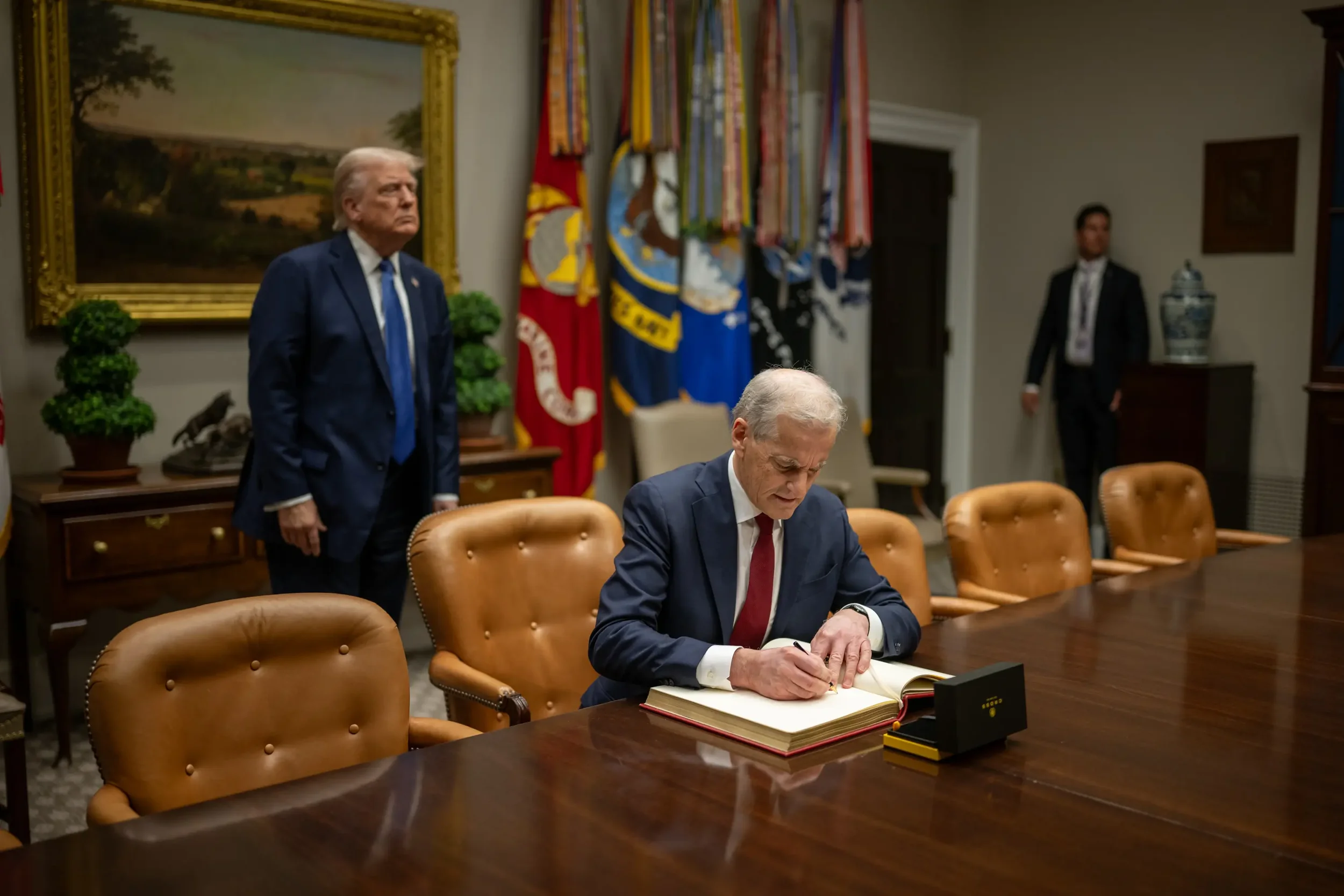
Jonas Gahr Store in The White House 24 april 2025, photo; Official White House by Daniel Torok
"Hardly any country will be hit harder than Norway"
In spring 2025, Prime Minister Jonas Gahr Store of the Labour Party (Arbeiderpartiet) and Minister of Finance Jens Stoltenberg, former NATO Secretary General, created Norwegian fear of tariffs with statements such as "Norway will end up at the back of the negotiating queue" and "hardly any country will be hit harder than Norway" (translated from Norwegian), read more. They launched a scenario they called a "triple squeeze", in which Norway could end up outside both the US and the EU tariff walls. Norway is not a member of the EU; Norwegians rejected membership in referendums in 1972 and 1994, and the country is tied to the EU's internal market through the European Economic Area (EEA) Agreement. The country's leaders apparently believed that the EEA Agreement and its Article 10, which states that customs duties between the parties are prohibited, do not protect Norway. Why the government will not hold the EU to Article 10 has never been explained to the public. The solution, according to the Labour government, was to establish closer relations with the EU for security reasons.
It did not go as Store and Stoltenberg warned
On 2 April 2025, the US President announced new US tariffs on what he called "Liberation Day", the day on which America would impose tariffs to balance trade deficits with other countries, read more. The EU was assigned a 20% tariff and Norway 15%. The tariff rates were published with notice that they were negotiable.
Now, things did not go as Store and Stoltenberg had predicted. Norway was not hit hard; Norway received a better tariff rate than the EU. Furthermore, Norway was not at the back of the queue; as one of the first countries, Norway got to meet the US President in the White House a few weeks later, on 24 April. The Norwegian press praised Store and Stoltenberg and credited their good diplomatic skills. Society & Politics (S&P), however, reported that Trump is interested in Norway for its strategic location in the Arctic and Norwegian mineral resources, read more.
The critical minerals
On 27 February 2025, Donald Trump and his close associates had a live-broadcast confrontation with Ukrainian President Volodymyr Zelenskyy in the Oval Office. The background was that Zelenskyy would not sign a mineral agreement with the US without receiving military security guarantees in Ukraine's war against Russia. After considerable pressure and withheld military support, Zelenskyy nevertheless signed the mineral agreement a couple of months later, on 30 April. This was a serious setback for the EU, which depends on imports since there are few economically viable mineral deposits within its own territory. The EU's import share is generally between 70 and 90 per cent, with 98 per cent import dependency for rare earth elements used in new technology, the green transition and advanced weapons.
Trump's hunt for minerals comes as a result of China having held a near-monopoly on minerals in recent decades. Some of these minerals are defined as critical, either because they are rare (such as certain rare earths) or because their production is technically challenging or limited. The West let China take over mineral extraction and processing because of labour costs and environmental considerations. This has given China great power over the international community, as minerals are essential for traditional industry, new technology such as AI, the green transition and not least the arms industry. For the US to become "Great Again" requires secure access to large quantities of critical minerals – hence the need for Western production, read more. Moreover, the entire West is in the same situation; being dependent on China for critical minerals is not only a threat to industry, it is also a major security risk.
Donald Trump had shown great interest in other mineral-rich countries, such as Greenland and Canada, and had even stated that they were wanted as US states – this was perceived as threatening statements. Trump also showed great interest in the North Atlantic countries in view of the security situation in the Arctic and the threat from Russia and China.
Store and Stoltenberg achieve nothing in the White House
Norway is rich in minerals, both on land and on the seabed. In summer 2024, large deposits of rare earth elements were found at the Fen Complex rare earth deposit in Telemark, southern Norway, which changed Norway's status in the geopolitical arena from interesting to significant. Trump was hunting for critical minerals, hence Store and Stoltenberg were invited to the White House as early as April 2025.
Store had established a poor starting point for the meeting. When Donald Trump won the presidential election for the second time in November 2025, Store sent Trump a letter congratulating him on the victory, and in the letter Store promised deliveries of critical minerals to the US. In January 2026, a couple of weeks before Trump was inaugurated as president, the government signed a letter of intent on mineral cooperation with the US. But on 28 March 2026, the government issued a press release stating that it was working to implement the EU's mineral legislation, the Critical Raw Materials Act (CRMA), in the EEA Agreement. This is the most intrusive EU legislation ever and will in practice give the EU control over Norwegian mineral resources, read the details. Mineral extraction had been neither studied, evaluated nor debated, and which alternatives were in Norway's interest had not been on the agenda of the Storting (Norwegian parliament). The press release was highly premature and appears to be a message intended for the Trump administration. The invitation to the White House may have been triggered by precisely this press release.
Little, if anything, came out of the White House meeting on 24 April 2025. Store and Stoltenberg do not appear to have used the opportunity to safeguard either Norwegian industrial or security interests vis-à-vis the US, read more. This therefore appeared to be another piece in the strategy the Labour government had laid out to tie itself more closely to the EU. The government did not inform the population about the consequences for Norwegian control of introducing the EU's mineral regulation. Nor did it inform them that the EU will not have sufficient autonomous defence capability for the foreseeable future – precisely because of mineral shortages. Mineral imports will be cut off by the enemy in war. It takes ten to 15 years from a mineral discovery until the minerals are in production, and the enemy will not wait until Europe can defend itself.
US tariffs matter little for Norway, but the EU introduces a tariff
In June 2025, the policy rate was lowered by 0.2 percentage points, and Ida Wolden Bache, Governor of Norges Bank (the central bank), shattered the government's predictions when she stated that Norway had not been hit hard by tariffs and trade war, read more.
On 25 June 2025, it became known that the EU had notified Norway of tariffs on ferroalloys (steel and iron alloys) through the EEA Agreement. This was surprising for several reasons. The US had not imposed more than the general tariff on ferroalloys, and under Article 10 of the EEA Agreement, customs duties between the parties are prohibited. The EU invoked the right to impose tariffs under Article 113 of the EEA Agreement, read more.
The tariff was introduced on 17 November 2025 after two postponements. Iceland reacted strongly to the tariff, while the Norwegian government accepted it. Only after considerable pressure from the opposition did the government express criticism of the EU, but it has not introduced the countermeasures the EEA Agreement allows for, read more.
The EU tariff fits perfectly into the government's threat picture of a triple squeeze scenario and gives it an argument for EU membership. The tariff may therefore be a strategically created situation.
The government refrains from a trade agreement with the US
The EU concluded a trade agreement (called the Turnberry Agreement) with the US just days before the negotiation deadline Trump had set for 31 July 2025 expired, read more. They negotiated down from a general tariff of 20% to 15%. At that point, the actual temporary US tariff was 10%, as the general tariff is added on top of the ordinary tariff (MFN). The 15% refers to a tariff cap on what the sum of tariffs can reach.
Norway did not conclude a trade agreement with the US by the deadline, read more. Norway was originally subject to a tariff cap of 15%, but without a trade agreement Norway is now left without a tariff cap. Norway, which originally had a better starting point than the EU, was now in a worse situation. This further supports the view that the government has created a situation in which EU membership is meant to appear as a good solution for Norway.
The government puts Norway in danger
Government sources confirmed that the negotiations covered both defence materiel and minerals. Just a few weeks after the deadline expired, it became known that Norway had concluded an agreement to purchase new frigates from the United Kingdom, not the US. Store stated that the choice was based on strategic and security policy considerations and that tension between the great powers across the Atlantic is increasing, read more. It must be noted that this is a remarkable statement in light of the fact that the EU does not have the defence capability to defend either Norway or itself against Russia, China or the US. With this, the government put Norway in even greater danger, as Norwegian natural resources and the country's Arctic location have greater strategic importance in the geopolitical power struggle than those of any other European country.
In autumn 2025, Europe gets a reminder of the threat from the east when Norwegian and European hubs are targeted with drones and cyberattacks, read more. Poland asks NATO to invoke Article 4, which the US rejected.
The government closes another window towards the US
During the budget negotiations in early December 2025, the government enters into a budget agreement that prevents a licensing round for seabed minerals from being announced during the current parliamentary term, read more. This means that a licensing round can be announced at the earliest after the parliamentary election in 2029. The US has expressed a wish to cooperate with Norway on developing the mineral industry for seabed extraction.
Europe's mineral shortage and defence capability
In November 2025, the Trump administration defined 60 critical minerals as a matter of national security. In December 2025, serious foreign media write that the EU's mineral stockpiles are so limited that they are only sufficient for a few weeks in a war, read more.
NATO Secretary General Mark Rutte warns that Russia could attack within five years and that Europe depends on US defence, read more. Moreover, former NATO Secretary General Stoltenberg wrote the same in his book "On My Watch", published the same autumn: "We must not create illusions about what Europe can achieve on its own" (translated from Norwegian), read more. However, despite what he wrote in the book, Stoltenberg did not comment on Europe's actual defence capability during 2025. Together with the rest of the government, he contributed to a false impression among the population that the EU can protect Norway.
During 2025, Jonas Gahr Store made several mistakes that led to a strained relationship between the US and Norway. These limited progress and access to investors for the Norwegian mineral industry, and put existing Norwegian industry and military security at risk, read more. They appear to be mistakes, but perhaps all of them were intentional in order to get Norway into the EU.
Store became central in the Greenland crisis
In January 2026, Trump threatened to take over Greenland and to leave NATO, but the US President left it open whether military action was on the table. This led to a NATO crisis, but European leaders and populations still seem to be of the view that the EU can defend both itself and Greenland, read more. There was a collective perception of Europe's defence capability, which perhaps still exists, and which Trump put to ever new tests by virtue of being the strongest, read more.
While Denmark and the US discussed Greenland's future in Washington, Europe discussed a future without the US in NATO. However, the situation was more serious than European mass media gave the impression of, read more. Furthermore, few have noticed that the EU is more dependent on Greenland's minerals than the US is. The US may be just as concerned with cutting the EU off from the mineral resources as with extracting them itself, read more.
In the run-up to, and during, the World Economic Forum (WEF) meeting in Davos from 19 to 23 January 2026, tensions between the parties are very high. The US has announced punitive tariffs on Norway, Sweden, France, Germany, the Netherlands, Denmark and the United Kingdom for having involved themselves directly in the conflict over Greenland. Jonas Gahr Store and Finnish Prime Minister Alexander Stubb have sent a message to Trump to calm the situation. Trump replied to Store that he does not feel obliged to put peace before the US since he did not receive the Nobel Peace Prize, read more.
When Trump gives his speech in Davos on 22 January, he has withdrawn his punitive tariff threat the evening before, and he presents a solution to the conflict. In cooperation with NATO Secretary General Mark Rutte, he is said to have formed a framework for an agreement on Greenland and the Arctic. What it entails is unclear, but it emerges in interviews during the conference that the agreement includes military bases and mineral rights, read more.
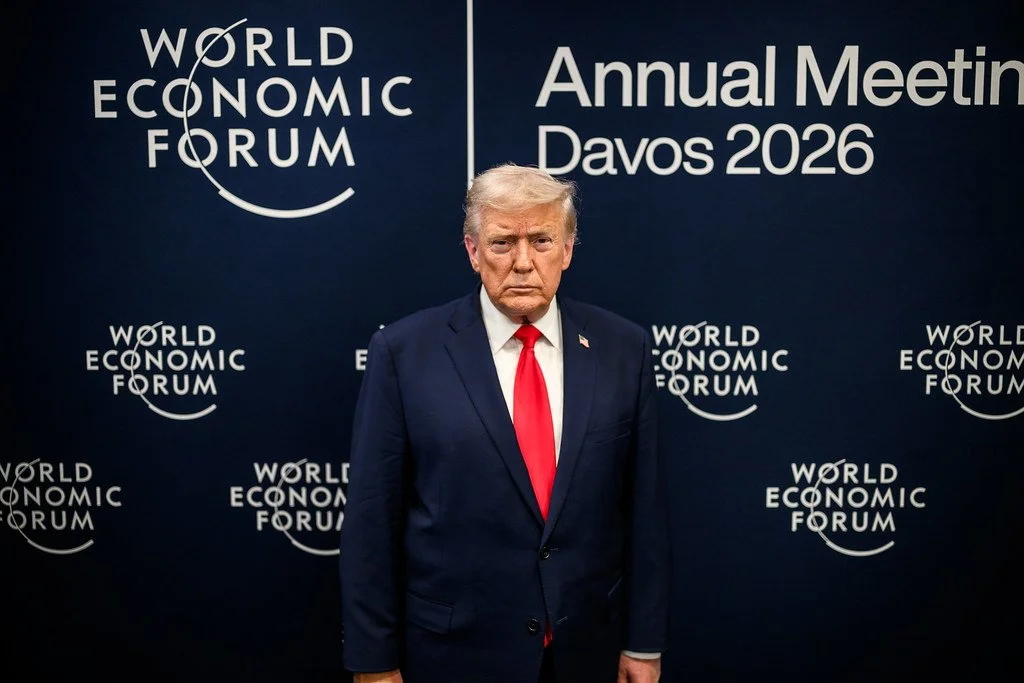
President Trump in Davos, photo: White House/Flickr
Breakthrough in the mineral conflict, but not quite
On 4 February 2026, a historic ministerial meeting known as the Inaugural Critical Minerals Ministerial was held in Washington. The meeting was chaired by Rubio and brought together representatives from 54 nations, including the European Commission. Norway participated as an observer. During the meeting, the EU entered into a declaration on mineral cooperation with the US and Japan. This is the first formal sign that agreement has been reached on Greenland, as NATO Secretary General Mark Rutte and Donald Trump stated at the World Economic Forum meeting in Davos in January.
US Secretary of State Marco Rubio thus arrived at the Munich Security Conference ten days later with a Greenland crisis that was, at least temporarily, resolved, and gave a conciliatory speech on 14 February. Later that evening, Rubio announces on X, with a picture of himself and Store, that he looks forward to future mineral cooperation with Norway. Earlier in the day, Store had stated in an interview with Norwegian broadcaster TV 2 that Norway must look at mineral cooperation with the US, read more. The mineral conflict between the US and the EU concerning Greenland and Norway seemed resolved, but that was not entirely the case.
The EU's 28th regime and greater intrusion into Norwegian sovereignty
Over 32 years, the Central European countries, which hold the most power in the EU, have gradually introduced new directives and regulations through which they first secure access to, and then control over, other countries' resources, including Norway's. They have achieved this by developing an intricate body of rules and legislation that in practice gives the EU control. At the end of February 2026, the EU introduced the 28th regime, which gives the EU greater power. At the same time, the EFTA Court ruled that the Norwegian continental shelf is included in the EEA Agreement. This means that the EU will next introduce new directives and regulations giving it control over the resources on the seabed. This does not only mean oil and gas; it will also mean mineral deposits and future mineral extraction. The EU has already announced that it will impose tariffs on electricity delivered through the power cables in the North Sea (ACER). Norway already faces tariffs on processed fish, which according to Norwegian research institute SINTEF has cost Norway 20,000 jobs.
In light of the new tariff on ferroalloys, a picture emerges of the EU in the process of shutting Norway out of the internal market, which the government does not counter. The result is that a "triple squeeze" is slowly but surely taking shape. This arises because the government has not safeguarded Norwegian interests, either towards the EU or towards the US. It has used neither the enormous bargaining chips Norway holds by supplying over 50 per cent of the EU's oil and gas needs, nor Norway's mineral resources, to name a few. At the same time, the government fails to conclude a trade agreement with the US, which leads to ever new and higher tariffs. In this way, it undermines the US as a market and makes Norway more dependent on the EU.
All of this contributes to the government's strategy of leading Norway into the EU. Already as an EEA member, the government allows the EU to acquire control over Norwegian natural resources. As an EU member, Norway would lose control entirely, as the EU manages natural resources in member states as a common resource.
EU policy is made for the large Central European countries that are major consumers of natural resources: for their dense populations' consumption, for ordinary industry and for the arms industry. The large countries hold the power in the European Parliament; the resource owners are too few and have too little power to get their interests across. EU policy is for resource importers, not resource owners. Read more about the enormous value of Norwegian natural resources here.
The Labour Party polarises
Polarisation in Europe is becoming increasingly prominent, and this also applies to Norway. The centre parties are losing ground to parties on the right or left. Seen from a centrist political viewpoint, which S&P represents, politics within the parties is also moving further towards the extremes.
In social democratic Europe, opposition to the US, to conservatism and to Trump is very prominent. It is so strong that moderate conservative European parties distance themselves from Trump for fear of losing voters. In the first half of 2026, President of the European Commission Ursula von der Leyen and several European heads of state mention China as a partner, despite China being a communist one-party dictatorship that violates human rights. Canada and Spain went further and entered into cooperation alliances with China.
In April, German Chancellor Merz came into conflict with Trump following the invasion of Iran, whereupon Trump threatened to withdraw US forces from the country, read more here. Spanish Prime Minister Pedro Sánchez leads a progressive socialist movement as a counter to Trump's protectionist policies, read more.
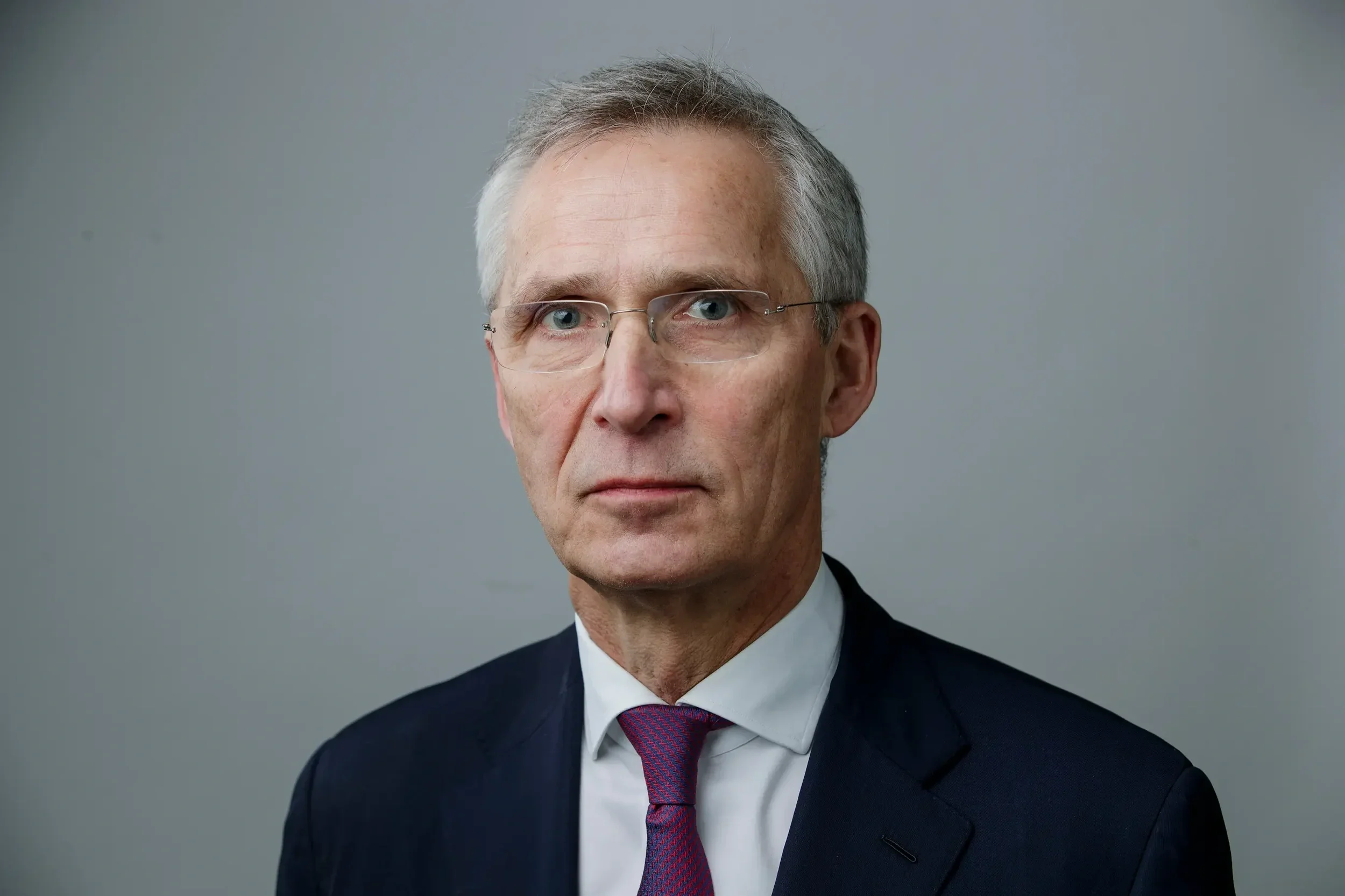
The Norwegian Labour Party is turning in the same direction. This explains the strategy of the government led by Prime Minister Jonas Gahr Store, Minister of Finance Jens Stoltenberg and Minister of Foreign Affairs Espen Barth Eide. Since his return to Norway, Stoltenberg in particular has shaped the government's direction. The Labour Party has a historical connection to communism, and Stoltenberg's Russian contacts in the last century are well known. It is perhaps less well known that Stoltenberg also admires China. In his latest book, "On My Watch", published in 2025, Stoltenberg writes that China achieved what no one believed possible: a communist country introducing a market economy. Furthermore, Stoltenberg shows through his work that he supports supranational authority, as do Store and Eide through statements and actions that undermine Norwegian sovereignty.
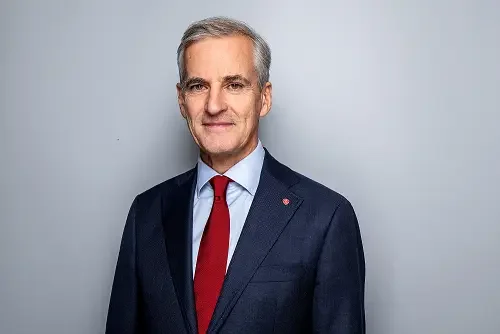
Jonas Gahr Støre
Photo: NTB /Statsministerens kontor
Jens Stoltenberg
Photo: Torgeir Haugaard / Forsvaret
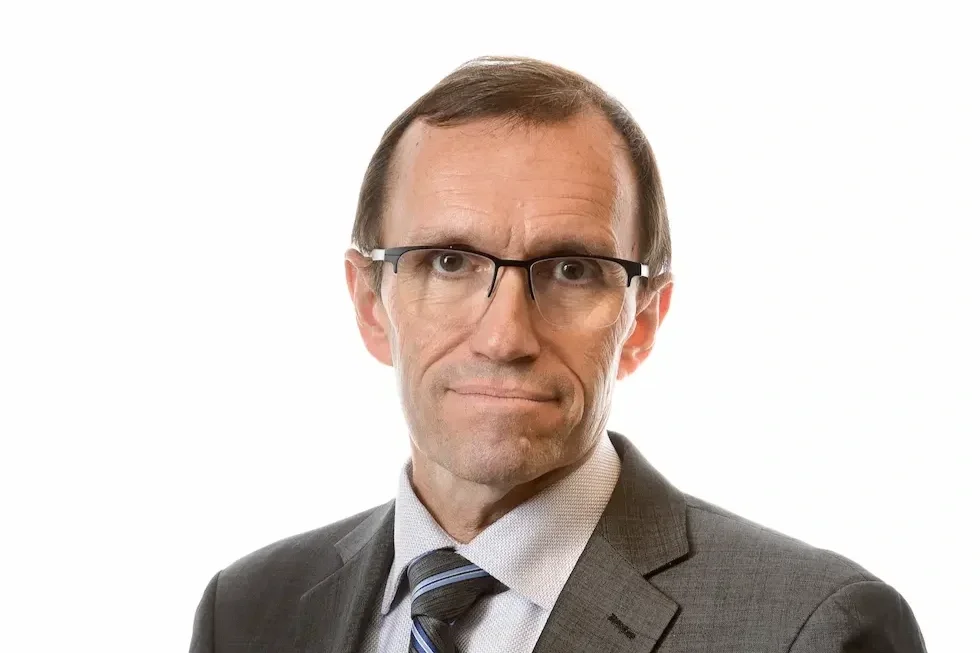
Espen Barth Eide
Photo: Cecilie Stuedal
The Storting slows the government, and political mineral cooperation with the US is entered into
On 24 April 2026, the EU finally followed up on the 4 February declaration on mineral cooperation with the US. They joined FORGE and signed a letter of intent on mineral cooperation, as well as an action plan to conclude a binding mineral agreement, read more.
On 1 May, Trump announces that the US is withdrawing forces from Germany. Several things indicate that the US is preparing the ground for a confrontation with the EU, read more.
On 6 May, Norway joins the US mineral cooperation Pax Silica. It is intended to lay the political foundation for access to silicon for the development and production of new technology such as AI, but it is not a legally binding agreement. It is nevertheless the first sign that Norway is entering into mineral cooperation, following verbal statements at the Munich Security Conference in February.
The EU has still not adopted the Turnberry Agreement concluded in July 2025. It is only adopted in the EU Council on 20 May, after the Trump administration had announced a confrontation two days earlier. But adoption in the European Parliament was still pending, and no mineral agreement was concluded, read more.
On 2 June, the Storting decided that the government must study and put forward proposals for a state-owned mineral company, for how the Norwegian mineral industry is to be developed and for how the conditions of the EU's mineral regulation CRMA are to be met. As a result, the Labour government's plan to introduce CRMA at a rapid pace is significantly slowed. The decision came as a result of a private member's proposal from the Centre Party (Senterpartiet) on 4 March.
Ahead of the G7 meeting in Evian in mid-June, Trump threatened von der Leyen with a 26 per cent tariff on cars if the Turnberry Agreement was not implemented by 4 July. This tariff threat comes as a result of Chinese minerals in car batteries. Trump wants to eliminate competition from China. This problem is the reason the Norwegian battery factory Morrow went bankrupt; it is not possible to compete with China on critical minerals and products derived from them, read more.
During the G7 meeting in Evian, it emerged that the mineral conflict was deadlocked. Trump rejected an invitation for the US to take part in The Byers Club, a mineral alliance led by Canada and France. The point of contention was, and is, that the Trump administration wants to establish a price floor. This would protect the mineral industry against bankruptcy in competition with low prices from China, and in that way attract investors to the industry. However, this is what the conflict is about, and it is the point of the US strategy that the other G7 countries reject. Trump therefore proceeded with Proclamation 11001 from January to establish a Western mineral market that can offer a price floor. This indicated that tariffs would be introduced for countries that do not conclude a mineral agreement, read more. Incidentally, Proclamation 11011 has been publicly available since it was proclaimed on 14 January, which also underlies S&P's reporting on the situation. This thus came as no surprise to any of the parties.
On 16 June, the Turnberry Agreement is finally approved in the European Parliament and implemented from 1 July.
On 25 June, the EU joins Pax Silica, but as mentioned above, this is not a binding mineral agreement, only political cooperation. Read more about the US mineral strategy here.
On 10 July, the South Korean embassy in Washington issues a press release showing that Norway has quietly joined FORGE. S&P has requested access to the documents but has not been granted it. However, Norway's accession to FORGE was confirmed by State Secretary Marte Gerhardsen of the Ministry of Defence during a seminar at Arendal Week, Norway's annual political festival, on 10 August, read more. Joining Pax Silica and FORGE should have led to a public debate about Norwegian mineral resources, but neither the opposition nor the Norwegian press has taken it up.
The temporary legal authority for US tariffs expired on 24 July 2026, and new tariffs under a new permanent authority were expected in advance. The government did not use the negotiating window available up to that date to negotiate a trade agreement with the US, read more. This added to the by now long series of mistakes, or deliberate actions, by the government that fail to safeguard Norwegian interests.
New permanent tariffs
On 24 July, new tariffs were introduced and Norway received a higher tariff than before, 12.5%. Since the tariff is added on top of the ordinary tariff (MFN), and Norway has no trade agreement providing a tariff cap, some products are hit particularly hard; smoked salmon gets a combined tariff of 17.5 per cent. The EU received a general tariff of 10% since it has a tariff agreement. In any case, with MFN it cannot exceed the tariff cap of 15% for individual products, read more.
On 24 August, S&P can report that the US has introduced two new tariffs aimed at mineral-containing products, one of which is on polysilicon. This is the first tariff that directly hits a mineral because no agreement on a price floor has been concluded, and the rate is linked to weight. In addition, tariffs of 25 to 100 per cent have been introduced on drones containing critical minerals, read more.
The US also has several processes under way for new tariffs, one of which could hit Norway's sovereign wealth fund (Government Pension Fund Global).
By not concluding a trade agreement with the US, the government has managed to put Norway in a worse situation than the EU. In this way, it has created a situation in which its scare propaganda that Norway will be hit hard has become a reality.
The US objective and prospects of success
The US objective is to take back world power from China, which China established through its monopoly on minerals that are critical for ordinary industry and for the arms industry. Trump believes that the West will not escape China's grip through continued free trade, which the EU and Canada cling to. Previous US presidents have tried to stop China's grip on minerals without success. People other than social democrats interpret European and Canadian opposition to US policy as support for the communist dictatorship China and its partner Russia. Consequently, support for conservative parties in Europe is also growing. It is a misconception that migration alone drives voters towards conservatism.
The US has established mineral alliances with other countries and launched new mining projects on its own territory and on the seabed. It has established a new general tariff and tariff authorities for critical minerals, two of which are in force, with more to come. This gives the US enormous revenues.
The US also leads the technological development that depends on critical minerals. Countries that choose to stay outside the US mineral market may be hit hard on several levels. The US has laid the foundation that may lead to its policy succeeding. The US midterm elections may slow progress, but not stop it.
Relations between the US and Norway are ice-cold
The US sent a very clear diplomatic signal to Norway when senior members of the Trump administration were absent from King Harald V's funeral on 9 September. Relations between Norway and the US are at a historic low, read more.
In the week of 14 September, the EU and Canada announced an intention to form a formal alliance. Canada is in a deadlocked trade war with the US and needs to replace the market the US represents. But in this picture one must take into account that establishing cooperation requires infrastructure, especially when it comes to energy. Critical minerals were also mentioned. This is the most challenging point vis-à-vis the US, which defines critical minerals as national security. An alliance between the US and Canada could lead the US to withdraw from NATO, read more.
On 18 September, it became known that Greenland and Denmark are concluding an agreement with the US that gives the US control over defence and critical minerals on the island. Many media present this as a loss for Trump since the US does not gain sovereignty over the island, but that has hardly been a goal. The most important things are military control, which the US already had, and control over the natural resources. This is not necessarily because the US wants to extract them itself, but to cut them off from European control. Lacking mineral resources within its own territory, the EU cannot achieve autonomous defence capability. Norwegian mineral resources therefore become even more important for the EU, and the pressure increases, read more.
On 21 September, Jonas Gahr Store met Canadian Prime Minister Mark Carney in Canada to discuss cooperation between the two countries. Store told the press that the parties will establish closer cooperation on defence, Arctic affairs and critical minerals. This cooperation will be of little value if the US is the enemy, as the US controls Greenland, which is strategically located between Canada and Norway.
Store also stated on 21 September that the US had unilaterally introduced its policy of tariffs against its allies. He said that this is negative and that Norway is in dialogue with the US to prevent further harmful tariffs that weaken trade with the US.
Unfortunately, there is no reason to believe that Norway will achieve anything in dialogue with the US unless a trade agreement and/or critical minerals are negotiated. Giving the impression that Norway can succeed through dialogue is misleading the population.
The fact is that Norway is completely dependent on the US for defence against Russia, while the government at the same time works against the US politically. This is very worrying and could lead Norway into a war. Several quarters assess that the threat of war from Russia is now at its highest in a long time. Should Norway need military assistance from the US, the situation is so strained that the assistance will come with conditions far more intrusive for Norway than a defence agreement concluded in peacetime. Relying on the US to step up under NATO's Article 5 is highly irresponsible of the country's government.
Attack from Russia or not, there is little reason to believe that the US will let the EU gain control over Norwegian mineral resources via the EU legislation CRMA, as the government has announced. The politically non-binding mineral cooperation arrangements, Pax Silica and FORGE, do not change this.
The Labour Party has thus led Norway into a real and dangerous situation, one that has been foreseeable since March 2025 and that could have been prevented. Whether it can still be prevented is uncertain.
RELATED ARTICLES
SOURCES
In addition to the sources listed below, see the sources in the articles linked in the text
Europalov
EEA Agreement Article 10 (customs duties), TFEU Articles 28 and 30
VG
Day of destiny for Trump tariffs: "Hardly any country will be hit harder"
European Commission
European Commission
VG
Dagbladet
Content on Society and Politics is based on reliable sources and actual events, providing a news-oriented perspective.
Learn more about S&P >